
How Often Should Nashville Businesses Schedule Commercial Cleaning?
Introduction
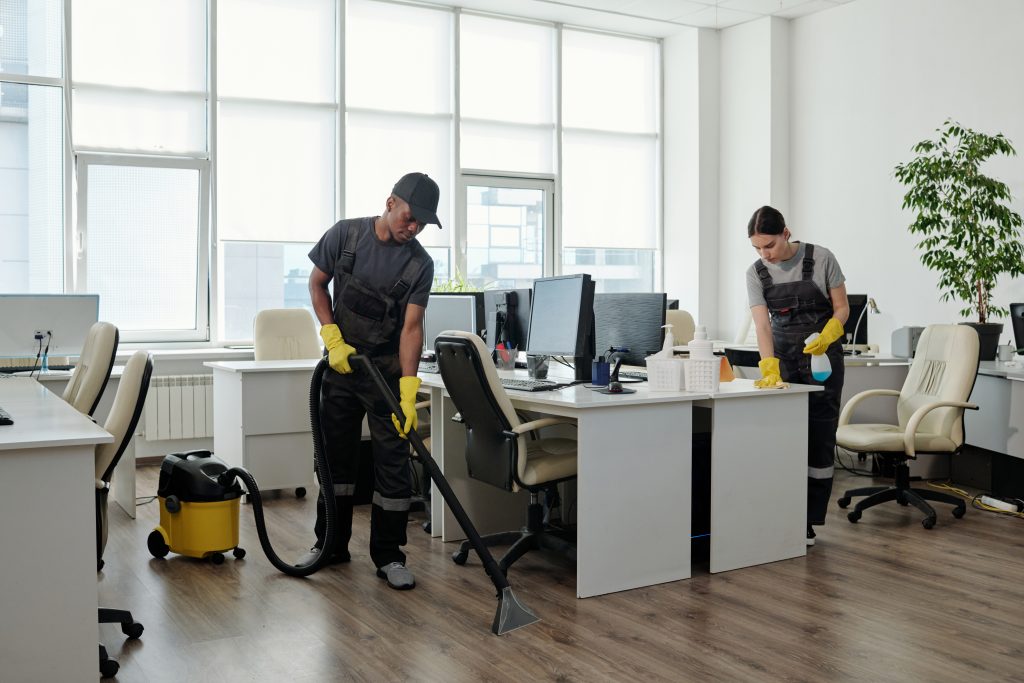
Most Nashville business owners think about commercial cleaning twice: when they first sign a contract, and when something goes wrong. The floor looks grimy, the restrooms smell, a client notices — and suddenly cleaning frequency becomes an urgent conversation.
Getting the schedule right from the start is less expensive and less embarrassing than fixing it later. But there’s no single answer that works across industries. A medical office and a warehouse have almost nothing in common when it comes to how often they need professional cleaning — and applying the same schedule to both leads to waste or risk.
At Anago Cleaning Systems of Nashville, we build custom cleaning schedules based on three factors: your industry, your foot traffic, and your regulatory environment. Here’s how that plays out across the industries we serve in Nashville and Middle Tennessee.
Office & Corporate Spaces
Recommended frequency: 3–5 times per week for open offices; daily for high-traffic lobbies and shared amenity spaces.
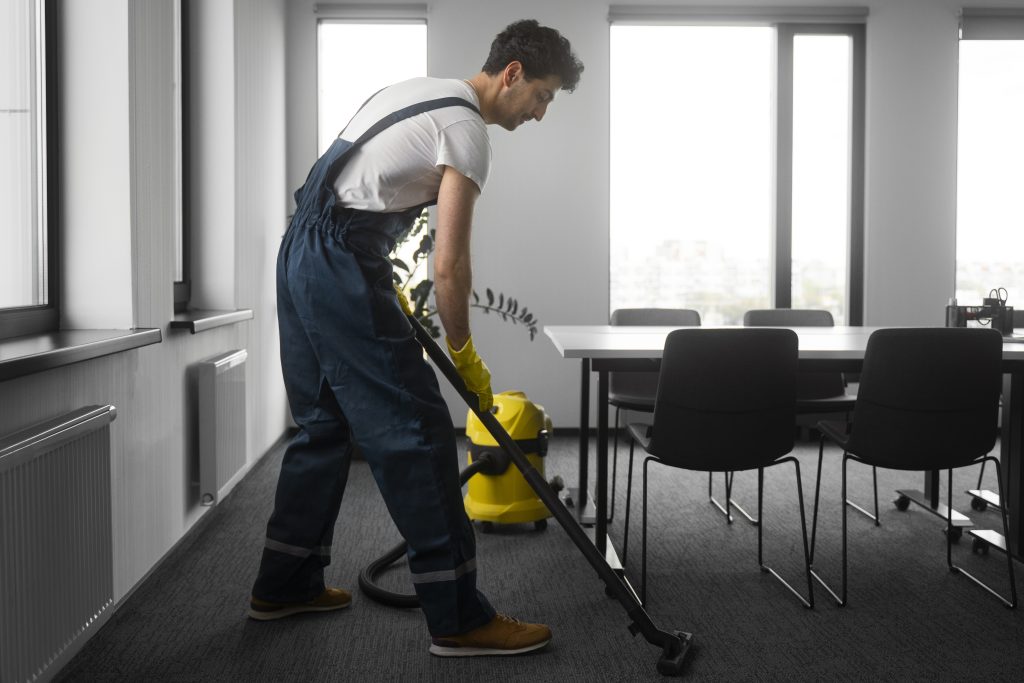
Nashville’s office market has grown considerably, with new corporate campuses in Cool Springs, Brentwood, and downtown. For most office environments, a 3x-per-week schedule covers the essentials — vacuuming, surface wipe-downs, restroom sanitation, trash removal, and break room maintenance.
High-traffic lobbies and reception areas are the exception. These spaces are the first thing clients, candidates, and partners see. Daily service here is a brand decision as much as a hygiene decision.
Shared kitchens and lounge areas in open-plan offices also need daily attention. These spaces accumulate spills, crumbs, and cross-contamination risks faster than any other area in the building.
Healthcare & Medical Offices
Recommended frequency: Daily minimum; twice daily or more for procedure rooms, exam rooms, and patient-facing areas.
Healthcare environments carry a different standard entirely. Basic janitorial cleaning is necessary but not sufficient — medical offices require disinfection protocols that meet OSHA and CDC guidelines, with particular attention to high-touch surfaces like door handles, exam tables, countertops, light switches, and medical equipment.
The distinction between cleaning and disinfection matters here. Cleaning removes visible dirt. Disinfection eliminates pathogens. A medical practice that relies on a general cleaning crew not trained in healthcare-grade disinfection is taking on significant liability.
Anago’s Protection+ Disinfection Program — the only certified disinfection plan in the commercial cleaning market — is designed specifically for environments where pathogen control is non-negotiable.
Warehouses & Industrial Facilities
Recommended frequency: Weekly deep clean plus daily spot maintenance for active facilities.
Warehouses present a different set of challenges: concrete floors that accumulate dust and debris quickly, high-traffic forklift lanes, loading dock areas, and break rooms used by large numbers of shift workers.
OSHA standards for industrial facilities are explicit about floor safety — oil spills, dust accumulation, and debris in travel paths are compliance issues, not just aesthetic ones. For active Nashville-area distribution and manufacturing facilities, a weekly scheduled cleaning combined with daily spot maintenance is the baseline standard.
Floor care is a separate consideration. Concrete floors in warehouses benefit from periodic deep cleaning and treatment to control dust and extend surface life.
Auto Dealerships
Recommended frequency: Daily for showroom floors and customer-facing areas; weekly for service bays.
An auto dealership’s showroom is a sales environment first. The cleanliness of the floor, the glass, the seating areas, and the restrooms directly affects how customers perceive the vehicles on display — and whether they feel comfortable spending time there.
Nashville’s dealerships compete on experience as much as inventory. Daily cleaning of the showroom is a competitive differentiator, not an overhead expense. Service bays require a different approach — weekly deep cleans to manage oil, grease, and mechanical residue.
Houses of Worship
Recommended frequency: After every service or event, plus a monthly deep clean.
Churches and houses of worship in Nashville face an unusual scheduling challenge: occupancy that spikes dramatically on specific days and drops to near-zero between services. A space that seats 500 on Sunday morning may sit empty Monday through Saturday.
The cleaning schedule should follow occupancy, not the calendar. That means cleaning after every service, not on a fixed Monday-Wednesday-Friday rotation. High-touch surfaces — pew backs, door handles, nursery equipment, restrooms — should be the priority at each service clean.
Monthly deep cleans cover what the post-service routine can’t: carpet extraction, floor care, HVAC vent cleaning, and upholstery.
Financial Institutions & Professional Services
Recommended frequency: Daily, with after-hours service strongly preferred.
Banks, accounting firms, law offices, and similar professional services firms operate in environments where perception of cleanliness equates directly to trustworthiness. Clients sitting across a conference table notice if the glass is smudged or the carpet is stained.
After-hours service is the standard for financial institutions for two reasons: security (limiting cleaning staff access during business hours) and discretion (clients shouldn’t encounter cleaning crews during meetings). Daily service is appropriate for client-facing spaces; back-office and filing areas can typically be serviced less frequently.
Government Buildings & Property Management
Recommended frequency: Daily for public-facing areas; weekly for back-of-house; day porter service for continuous coverage.
Government buildings and multi-tenant commercial properties share a common challenge: high foot traffic from the public, with compliance obligations and multiple stakeholders to satisfy.
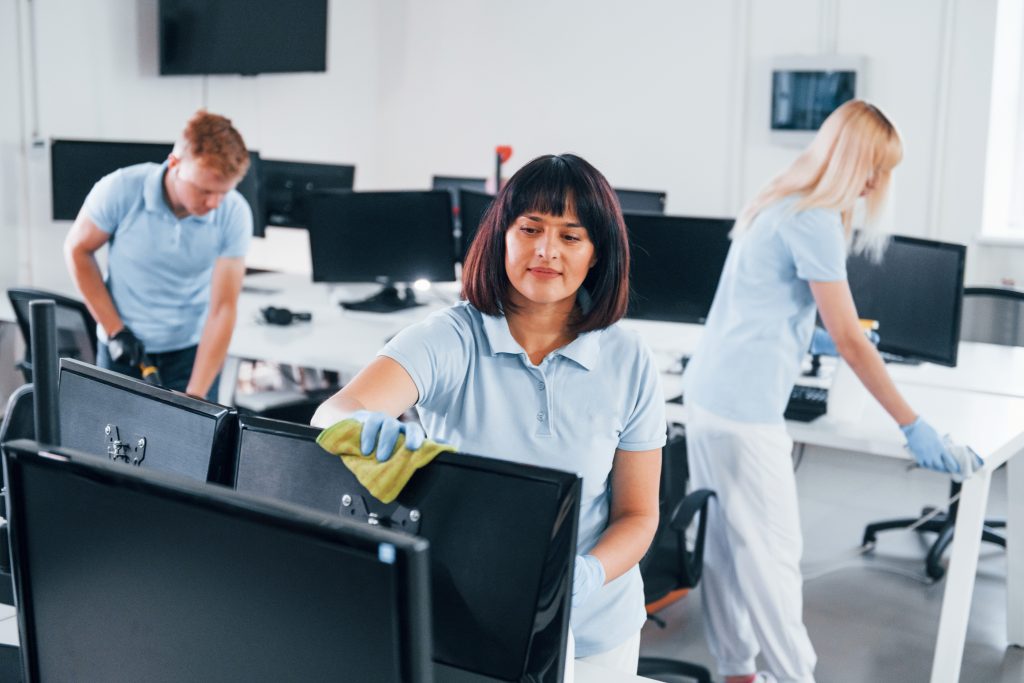
Public-facing lobbies, restrooms, and elevator banks need daily attention. Administrative back-of-house can be serviced weekly. For properties with significant daytime traffic, day porter service — on-site cleaning support during business hours — is the most effective way to maintain standards continuously rather than reacting to complaints.
The Right Schedule for Your Nashville Facility
These ranges are starting points, not rigid prescriptions. A Nashville law firm in a high-rise with 200 employees has different needs than a 10-person practice in a Brentwood office park. A warehouse running two shifts needs more attention than one running standard business hours.
Anago Cleaning Systems of Nashville builds custom cleaning schedules based on your specific space, your occupancy patterns, and your industry requirements. There’s no minimum contract size — we work with facilities from 1,000 to 1,000,000 square feet.
📞 Ready to build a cleaning schedule that fits your Nashville facility? Request a free walkthrough and quote at (615) 610-8085 or contact us online.